

Varnish insulating oil, also known as insulating paint or varnish, plays a role in insulation, moisture resistance, heat dissipation, and curing in high-frequency transformers.
According to their different chemical compositions, insulating oils can currently be divided into three categories: polyester based; Resin class; Siliceous materials. Polyester insulating oil is mainly prepared by the condensation reaction of polyols and polyacids, and is usually a colorless or light yellow transparent liquid. It has a high breakdown voltage and volume resistivity, which can effectively prevent current from passing through and provide good insulation. It has the highest cost-effectiveness among the three types of insulation oils and is the most commonly used insulation oil in high-frequency transformers.
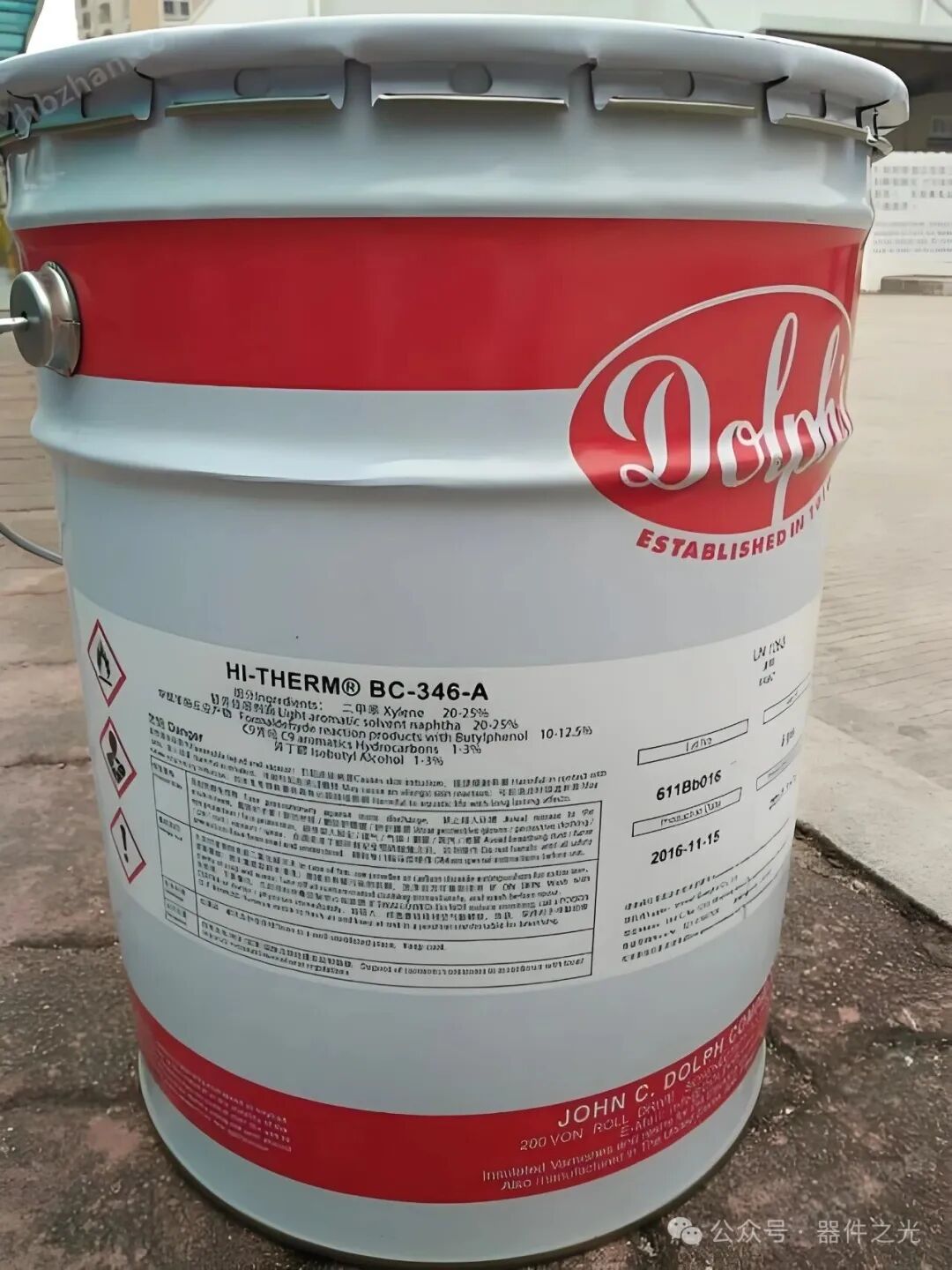
However, polyester insulating oil has a high viscosity, and its viscosity is greatly affected by temperature. The viscosity increases significantly at low temperatures, which greatly affects its fluidity and heat dissipation effect. Therefore, when used, it is often necessary to add diluents to reduce the viscosity of the insulating oil, maintain good fluidity, and ensure that the high-frequency transformer can be fully immersed during immersion. The specific gravity of polyester insulating oil and diluent is generally around 0.9, which can be tested by a specific gravity meter.
Secondly, polyester insulating oil is prone to oxidation and degradation at high temperatures, producing acidic substances and sludge, which affects the normal operation of the product and limits its range of use in high-temperature environments. In addition, compared with resin and siliceous insulating oils, polyester insulating oils have relatively higher dielectric loss tangent values, which means that energy loss is greater under alternating electric fields and will to some extent affect the operational efficiency of the product.
At present, polyester insulating oil is commonly used for impregnating windings, such as high-frequency transformers, motors, cables, etc., which can improve the insulation, thermal conductivity, and moisture resistance of products and extend their service life. Resin based insulating oil is mainly composed of organic polymer compounds, often in fluid or solid form, with good wear resistance.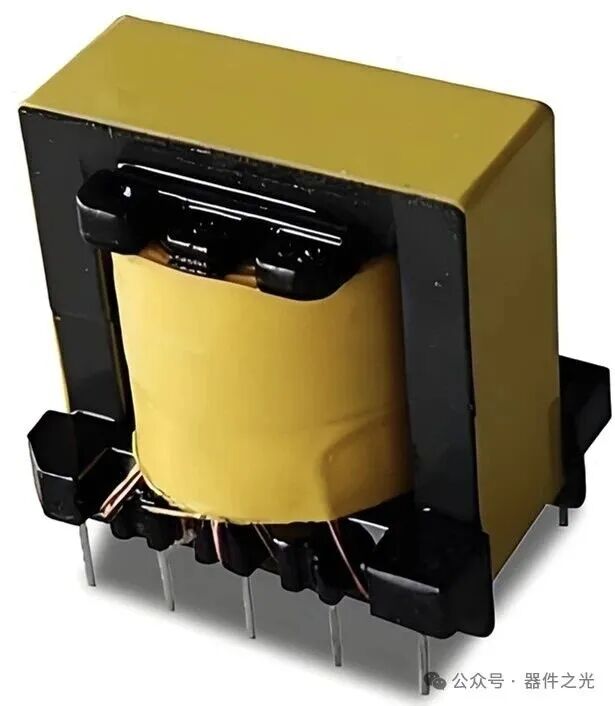
Resin based insulating oils can be synthesized by adjusting the proportion of raw materials and reaction conditions to produce resin liquids with lower viscosity. These liquids have good fluidity and coating properties, and generally do not require additional diluents. Under heating conditions, resin based insulating oil can also soften or melt. Compared with polyester insulation oil, resin insulation oil has higher stability, better electrical insulation performance, and higher price. It is commonly used for insulation of various transformers, electrical terminals, and joints. Siliceous insulating oil is mainly composed of organic silicon compounds such as polydimethylsiloxane. It is usually a colorless or light yellow transparent liquid with extremely low viscosity and good fluidity.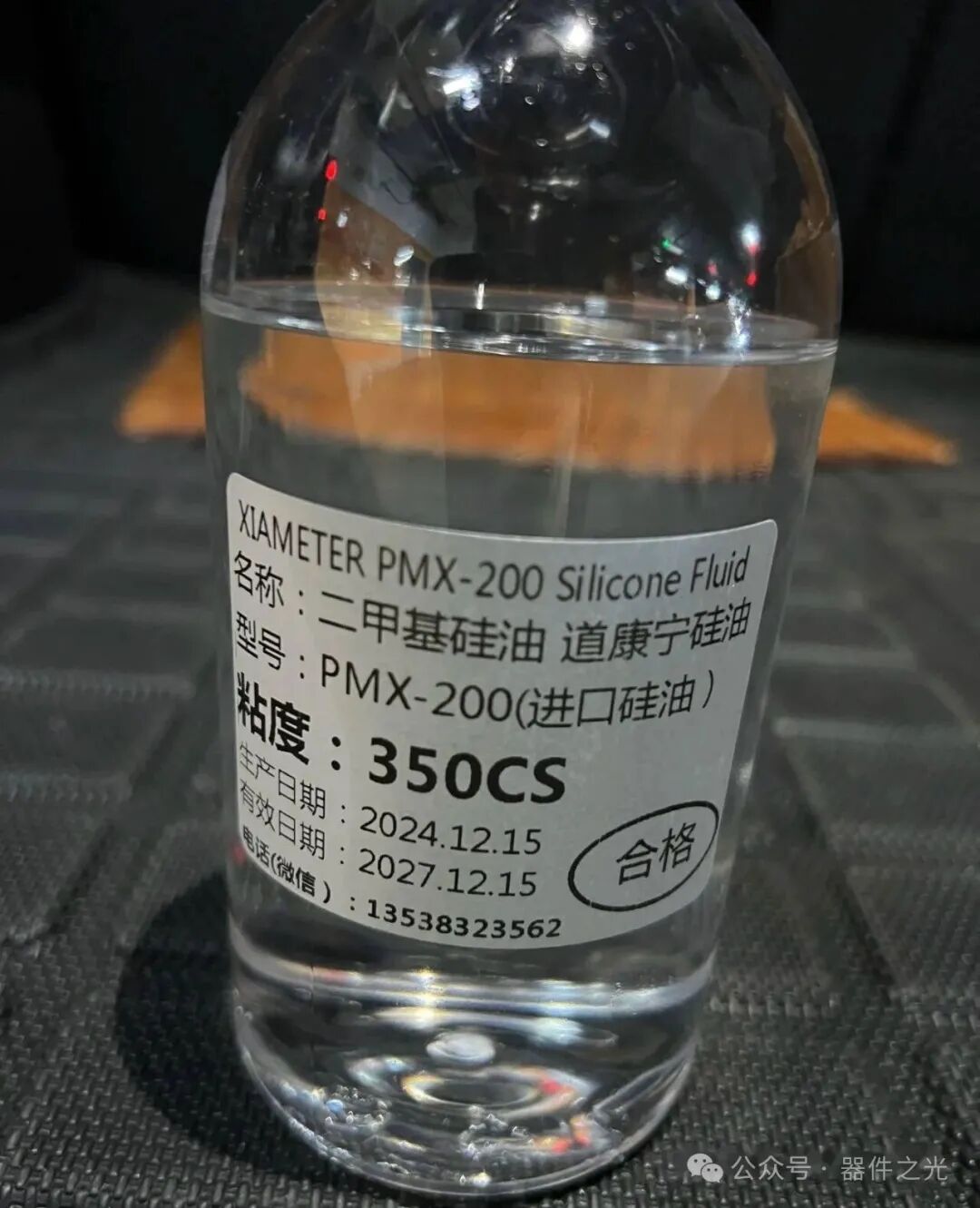
Compared with polyester and resin insulating oils, siliceous insulating oils have lower dielectric loss values, smaller energy losses under alternating electric fields, and higher product operating efficiency. It also has good arc resistance and leakage resistance, and can maintain stable performance in extreme environments. Siliceous insulating oil can be used for insulation in extreme environments such as high voltage, high temperature, high humidity, and severe cold, improving the insulation level and operational reliability of products. Its high ignition point and self extinguishing properties give siliceous insulating oils significant advantages in fire safety. However, siliceous insulating oil has a higher cost and is generally not used in high-frequency transformers.
Post time: Apr-13-2026


